Posted on Leave a comment

Links for “How Multi-Glands Grow” scientific articles.

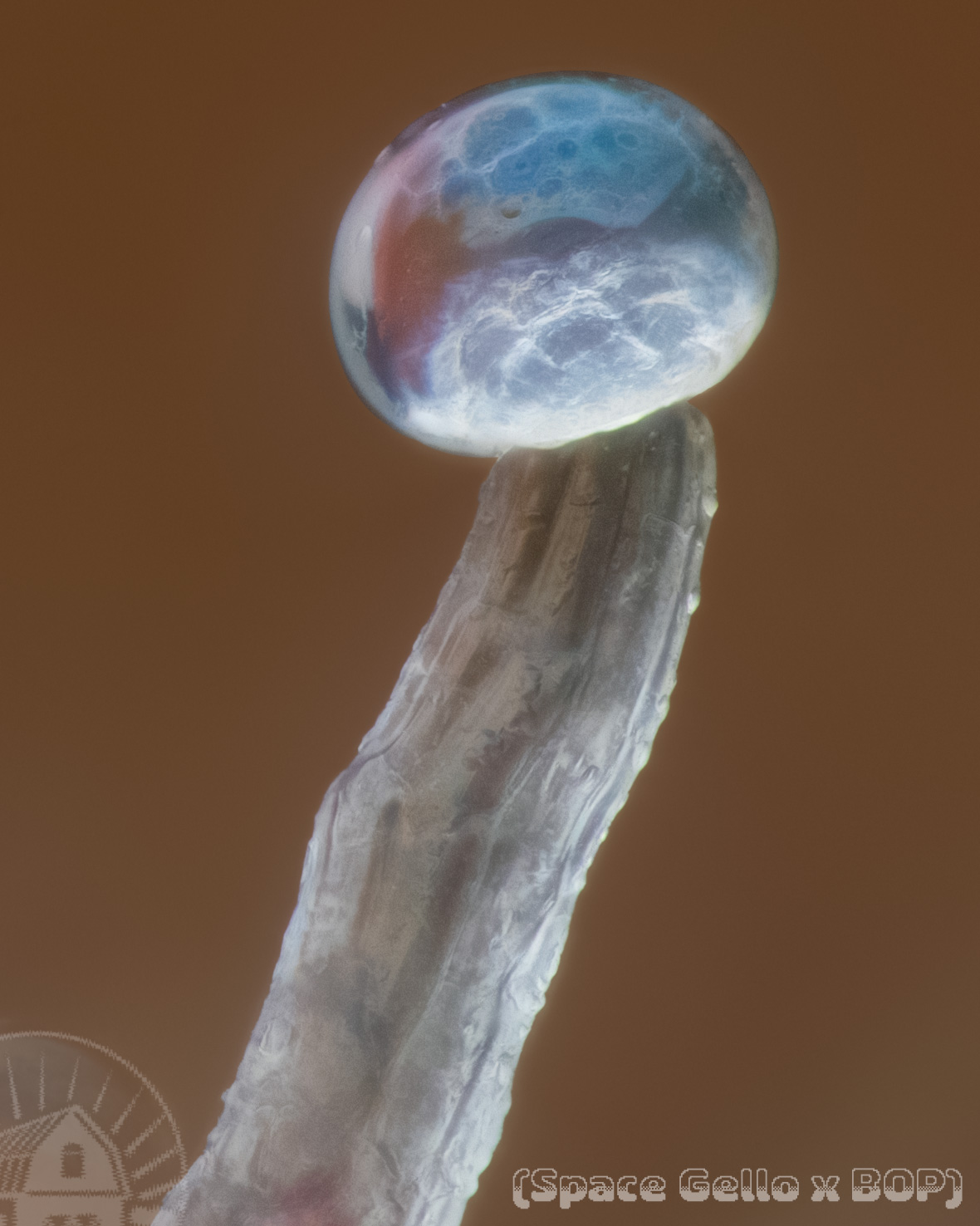
THIS is how multi trichomes are formed. Okay, some of you all might remember this video showing the smooth geometric curvature of an extra growth is proof for cuticle must be holding it back. 

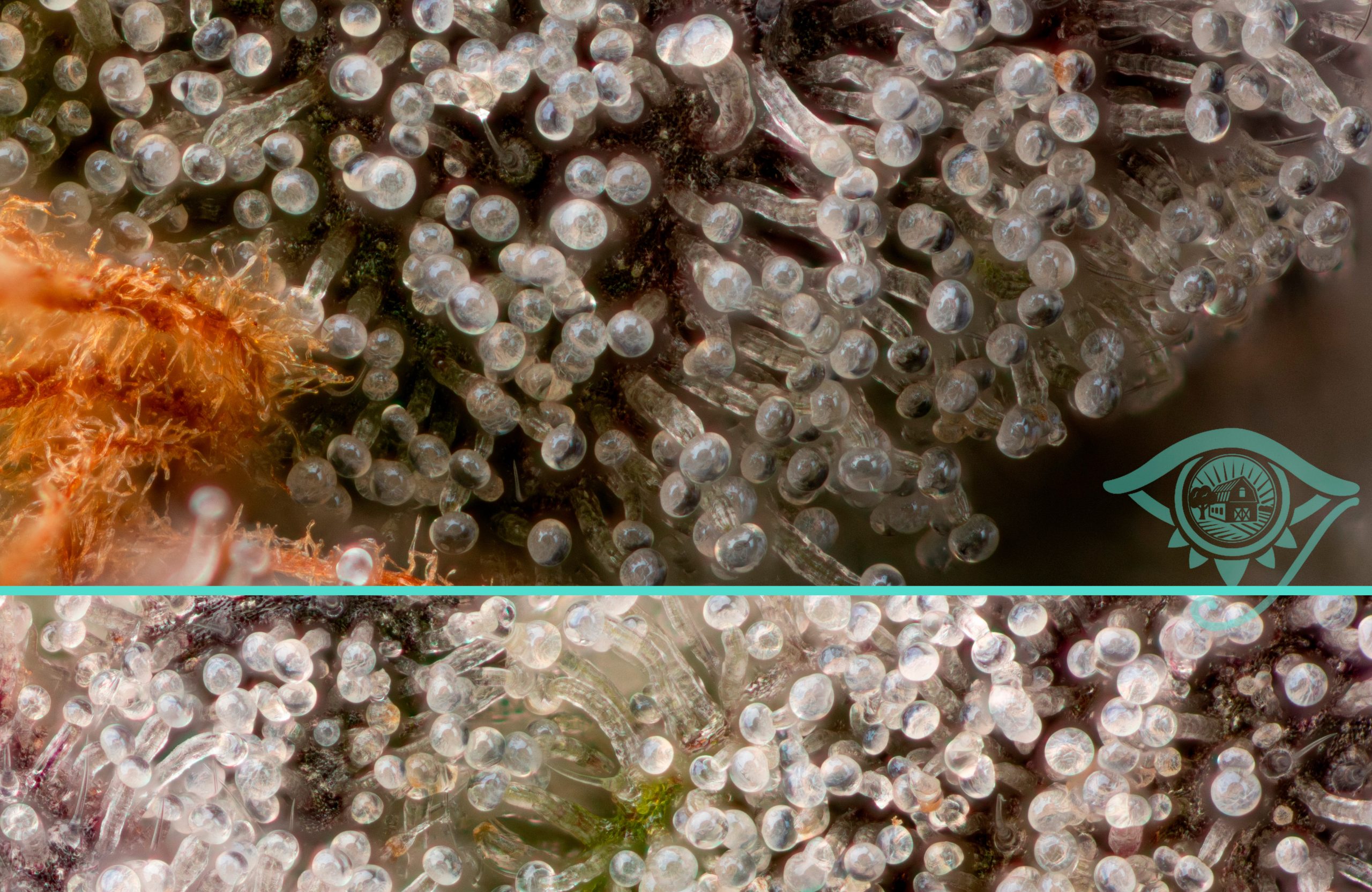
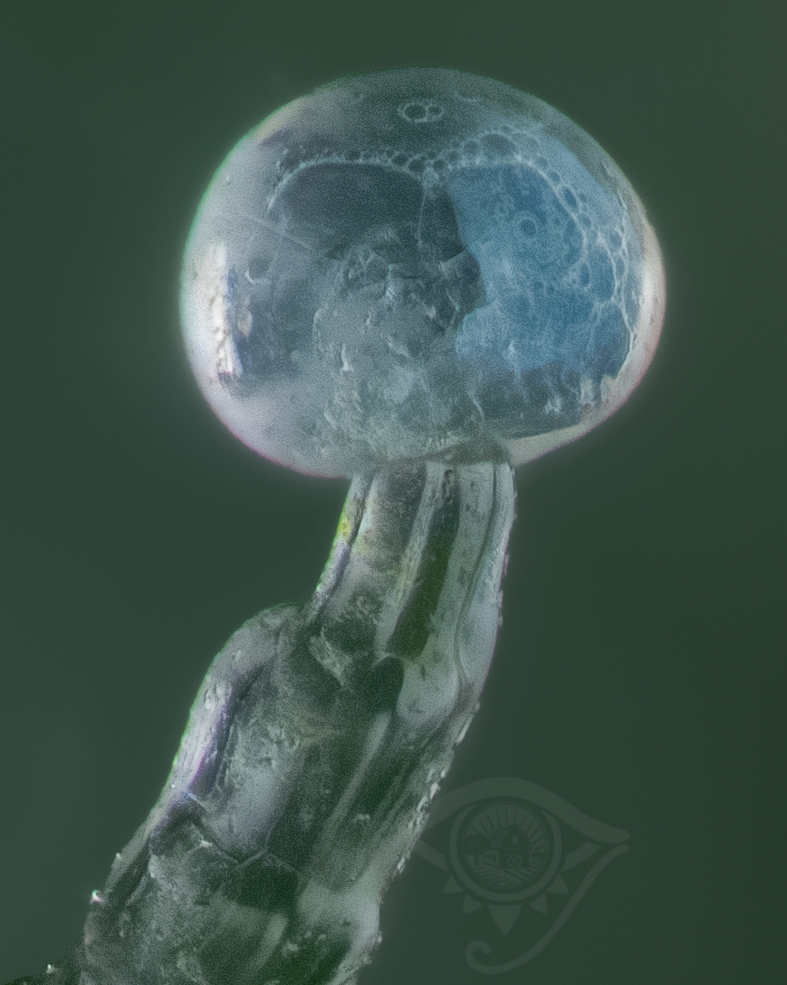
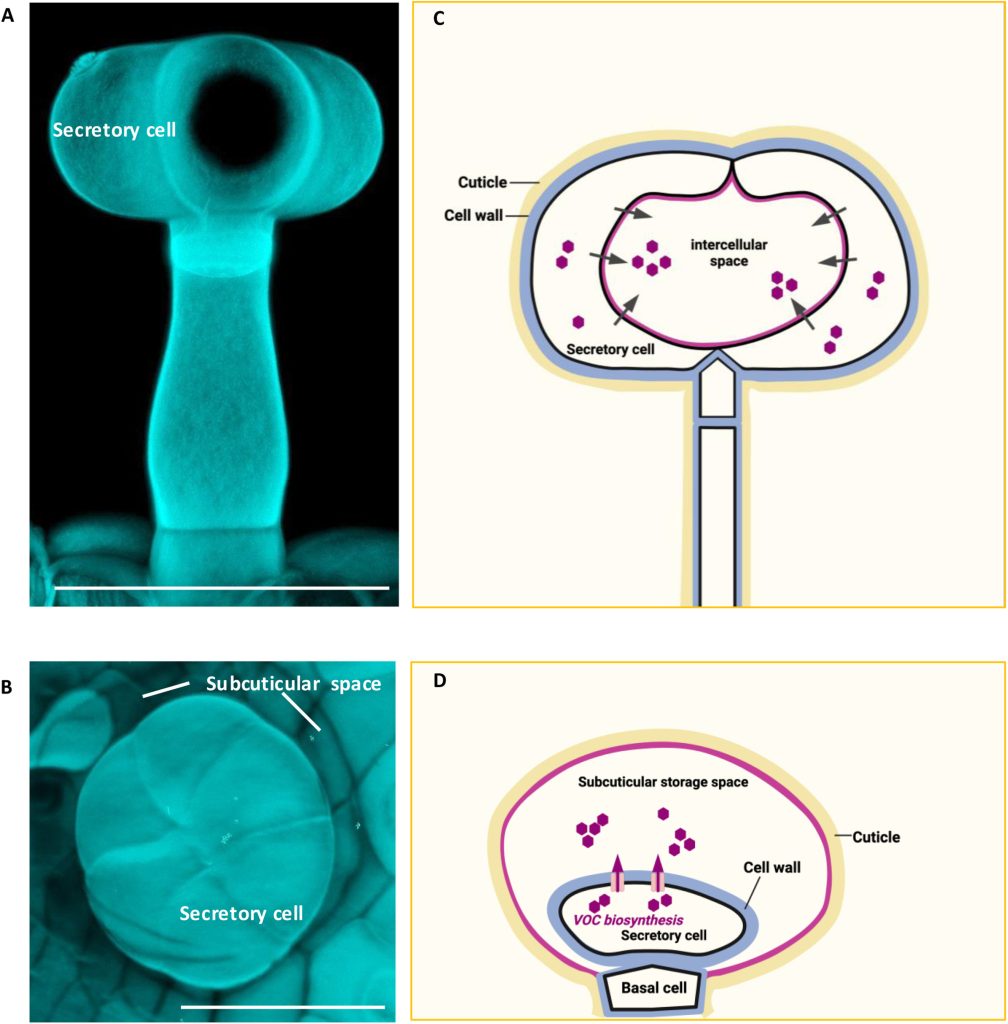
Now, let’s check out this scientific article about sunflower trichomes.(1: Spring, O., & Benz, T. 2021) First off, these trichomes consist of one stalk cell, with several glands stacked on top of each other. The glands actually grow upwards. The splitting of the cuticle is how lens shaped growths and new glands are formed. It reads, “which could show irregular protuberances of subcuticular spaces, for the tip of the trichomes”. Subcuticular?! that translates to: below a cuticle, new lens shaped growths were formed on top of the previous gland. The article goes on to say, “a slight separation of the cuticle takes place, which may form lens shaped subcuticular cavities.”(1) This separation is called delamination, similar to a blister forming, the cuticle is splitting horizontally to form two separate sheets. That means oils are formed in the main gland, then diffuse through the cuticle above to form a second lens shaped gland. 


Now, let’s compare it to this article about how hemp trichomes are formed.(2: Livingston et al. (2021)) Here they show the exact same cuticle delamination process as how the original gland is created, towards the beginning of forming, they are just secretary disc cells with no gland above. Then the cuticle splits, horizontally, leaving some attached to the secretary cells below, yellow arrow, the top left image shows the start of cuticle separation.(3: Punja ZK, Sutton DB, Kim T. Glandular trichome development (2023)) These yellow arrows are showing the progression of the gland forming into the shape we all know. Since some cuticle stays on the secretory cells, and that’s where oils are produced, oils are constantly diffusing through cuticle to enlarge the gland. So there it is. Oils can diffuse through a lower cuticle, after the cuticle splits to form a new gland above.

The hemp article even goes on to talk about inner-compartmental walls, & subcuticular walls. So these bubbles you see within the gland are actually walled off into separate cavities. Sometimes the gland creates an inner wall like this, then the outer cuticle will split horizontally, but the lower cuticle pushes upward, breaking through the upper cuticle and creating the appearance of a rupture. But since the new growth is spherical, we can easily infer there is a cuticle holding the second gland back, not to mention, this entire gland would collapse in a few seconds if this was a rupture. Other times, the cuticle splits vertically, pushing a brand new gland above. 

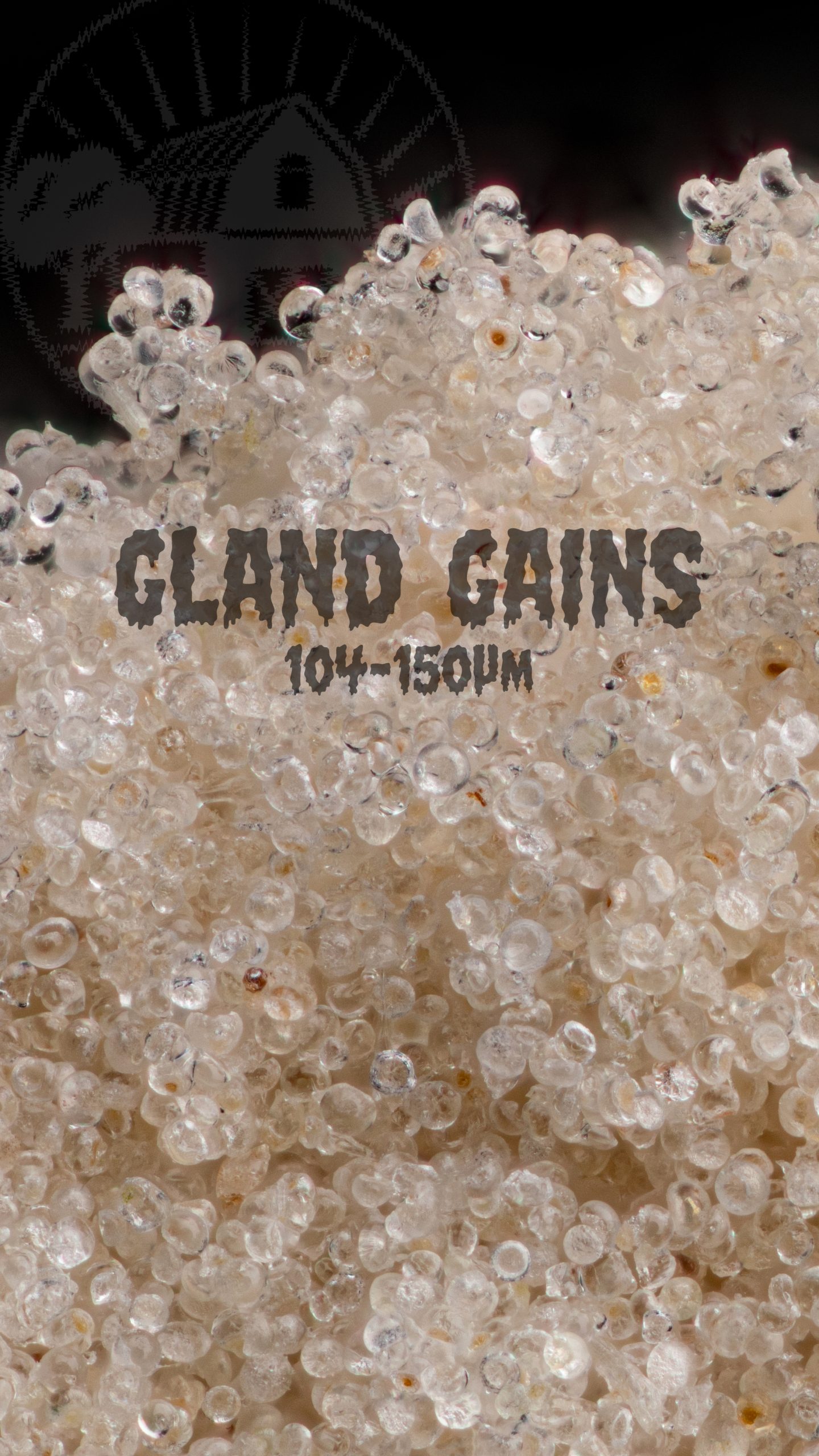
Since this multi-gland adaptation can be found on several of our genetic lines. That explains several different methods of forming. Blistering is common on ‘The Funk From Mars’ lines. Here’s the beginning of a blister forming, and later stages of progression. Vertical splitting and pushing upward through a cuticle is more common on ‘Gland Gains’ lines. This double gland with a thin, mutated stalk is more common on ‘Rose Fuzz’ lines. Yet every version of multi-gland trichomes can be found on any of our genetics after ‘Diamond Glands’, although they form slightly differently than four cell tomato trichomes. The function is the same multiple glands that break independently, leaving some for protection against the next pest, a genetic adaptation seen across many different types of plants. 

Also, there’s a common trait found across multi-gland trichomes, regardless of the species of plant. (4-12) They produce a wider range of more complex oils when compared to their single gland counterparts.(13) That means multi-gland trichomes are more than just heavy returns. They are a way to evolve the plant to form more complex and novel flavor classes, like tropical Esters.(14-15) Thank you for watching this episode of Gland Nerds.

Citations in order of appearance in the video below.

  1. The Sunflower Multi-Gland Article “In the outer cell wall, separation of the cuticle could be observed occasionally, indicating the formation of a subcuticular cavity and the start of secreting activity. This process may start at the very tip of the cell or at several lateral sites. The subcuticular cavity was mostly a small and flattened, lens-shaped space.”
  2. Hemp Delamination and Gland Formation Article ” Cell wall delamination led to the formation of the storage cavity, which was bordered by the cell wall that remained associated with disk cells (defined as ‘secretory disk surface wall’) and the portion of wall that remained associated with the cuticle.”
  3. Hemp Glands Forming SEM Article “Capitate trichome development on hemp strain SQ, lower bract surface, at 3 and 6 weeks of inflorescence development. At 3 weeks, most capitate trichomes at the tip of the bract are sessile. Presecretory (sessile) trichomes showing the outlines of presecretory disc cells.”
  4. Glandular Trichomes of Hartweg’s Locust (has rupture and deflate too)
  5. New insight in secretory structures and secretion composition in Rhus typhina L. (photo)
  6. Micromorphology and histochemistry of glandular trichomes on the upper petal lip lobes (photo)
  7. Classification of fruit trichomes in cucumber (photo)
  8. Diversity of secretory trichomes among the Lamiaceae, Solanaceae, and Rosaceae (photo)
  9. Structure and functions of the glandular trichomes in three Arnica species (photo)
  10. Morphology of glandular trichome and lignin-based structure for its function (photo)
  11. Development and structure of glandular trichomes in Connarus suberosus (photo)
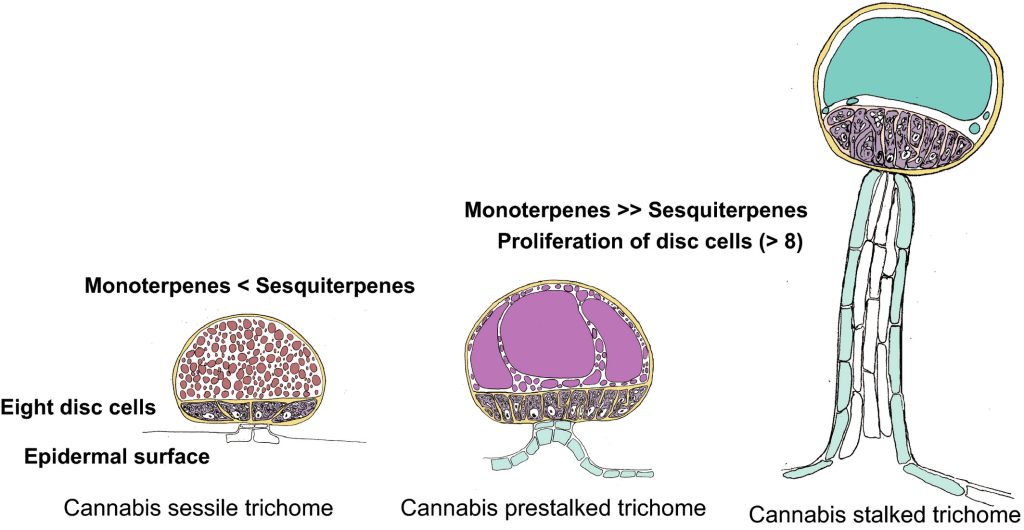
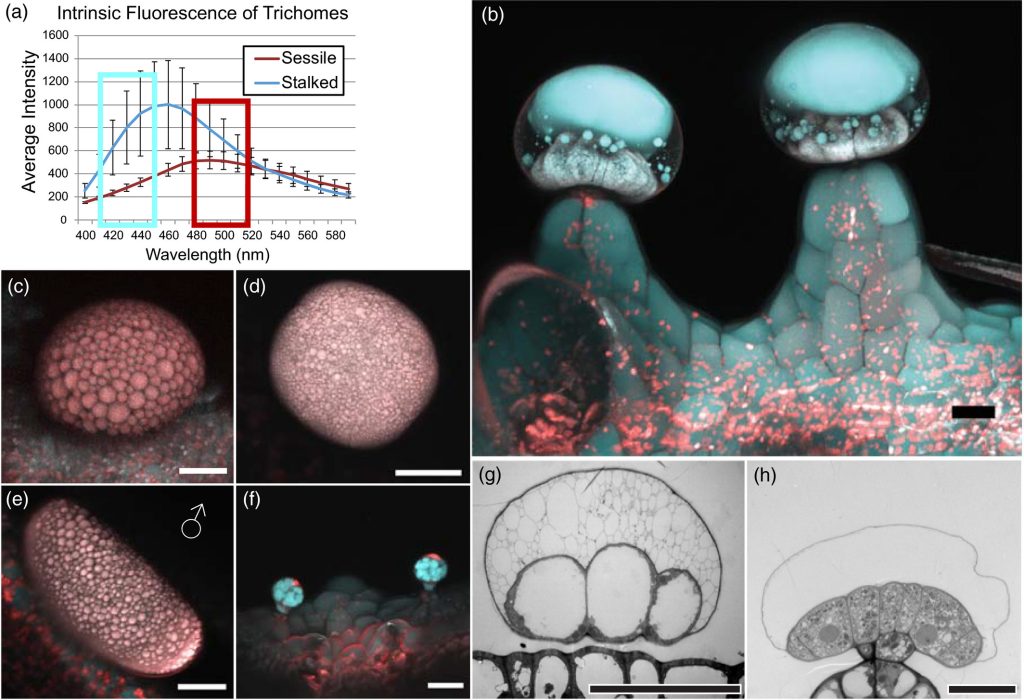
  12. Hemp glandular trichomes alter morphology and metabolite content during flower maturation (This one shows how even bulbous and capitate glands contain different mix of oils.) “Sessile-like trichomes on calyces develop into stalked glandular trichomes.” ” The findings presented here reveal that the sessile and stalked trichomes of hemp differ not only in whether they sit on a large stalk or directly on the epidermal surface, they also have distinct…terpene profiles. The stalked glandular trichomes of mature flowers are rich in cannabinoids and monoterpenes. Conversely, sessile trichomes contained less cannabinoids and higher proportions of sesquiterpenes.’
  13. Glandular trichomes: micro-organs with model status? (trich diagram)
  14. Multi-celled Glandular trichomes produce a wider range of more complex oils “Multicellular glandular trichomes are defined by their ability to synthesize and secrete large quantities of specialized metabolites, functioning as efficient “cell factories”. Furthermore, morphological differences allow these structures to store complex hydrophobic metabolites in an expanding intercellular space.”
  15. Esters in Hemp “The esters identified in dried hemp flowers play a crucial role in shaping the fruity odor sensation, aligning with their well-documented importance in fruits, hops, and cannabis.”

Posted on 1 Comment

Double Trichome :~)

…what does it mean?!

sometimes people don’t understand “WHY?” ..it’s an adaptation to be more protective. Think shield. If a pest stops by and bursts one gland another gland is waiting for the next pest. BUT multi glands are also structural. Usually the main gland is on the larger size 120-150µm. With the extra glands being in the 70-90 micron range. Sothe plant is also trying to protect itself from a gland structurally too big and prone to burst, as the oils inside are self-toxic. That is the reason for storing them out and away from itself, and the purpose of stalks, to get the more toxic chemicals farther away.

Check out this Scientific Article that explains this and how “multi-gland” trichomes are technically considered peltate trichomes meaning shield.

“The morphology of glandular trichomes in various plant species has been well documented . Generally, these trichomes can be classified into two main types: capitate and peltate trichomes. Both types share common structural components such as gland cells, stalk cells, and basal cells. However, peltate trichomes are distinct in having a greater number of gland cells compared to capitate trichomes. Additionally, peltate trichomes possess a subcuticular/intercellular cavity within gland cells. The morphological differences result in the synthesis and storage of distinct types of compounds. Capitate trichomes have limited storage capacity and primarily synthesize the nonvolatile or low-volatility compounds.”

I also like how they point out that different gland types contain different compounds. Capitate Sessile are the short ones without stalks. This Scientific Article also shows with UV light that the short capitate glands contained more less-volatile sesquiterpenes, while the typical tall capitate-stalked glands contained more volatile monoterpenes that can act like solvents to the plants green epidermis.

Here’s a good quote; “As with the whole calyces, terpene profiles in samples collected from stalked trichomes were dominated by monoterpenes (92%), with a monoterpene:sesquiterpene ratio over 12. As previously noted (Turner et al., 1978), sessile trichomes on the epidermis of mature calyces could not be sampled without cross-contaminating with stalked trichomes, so sessile trichomes’ storage cavity contents were sampled from anthers and vegetative leaves. Consistent with the whole vegetative leaf results, the individual sessile trichomes from vegetative leaves sampled by microcapillary contained very low monoterpenes compared to sesquiterpenes.”

EDIT (2/28) Here is an article about how multigland trichomes on tomatoes contain a wider range of secondary metabolites. It clearly states type VI trichomes (four-celled head) produce a variety of metabolites including terpenoids and methylketones, while the single-celled type I and IV trichomes are primarily limited to acylsugar production. Quote; “This morphological difference (multigland) is important because it allows large quantities of secondary metabolites to accumulate.. and thereby contribute to an increased resistance against pests.

Sooo… multi-glands should* contain a wider range of secondary metabolites (oils), even rarer hard to produce flavorants like methyl compounds that create new unique flavors; since they have more secretory disc cells (oil factory) than the typical capitate stalked or single gland trichome. (yes we’ve counted the disc cells too) Also we’ve experienced complex indole and skatole flavors in our large-gland genetics like the dimethyl compounds found in ‘JOMO’ and mothball/basement flavors in ‘Baker’s Dozen’, as well as isoamyl acetate, a banana-characteristic ester not typically associated with cannabis trichome chemistry. These are not terpenes, they represent entirely different compound classes, which is consistent with what you’d expect from a peltate architecture with greater and more diverse secretory capacity.

Big fan of this this post from Front Row Ag. We appreciate all the comments pointing out our work.

Caleb Chen at The Highest Critic was up to speed back in 2024.

Posted on 2 Comments

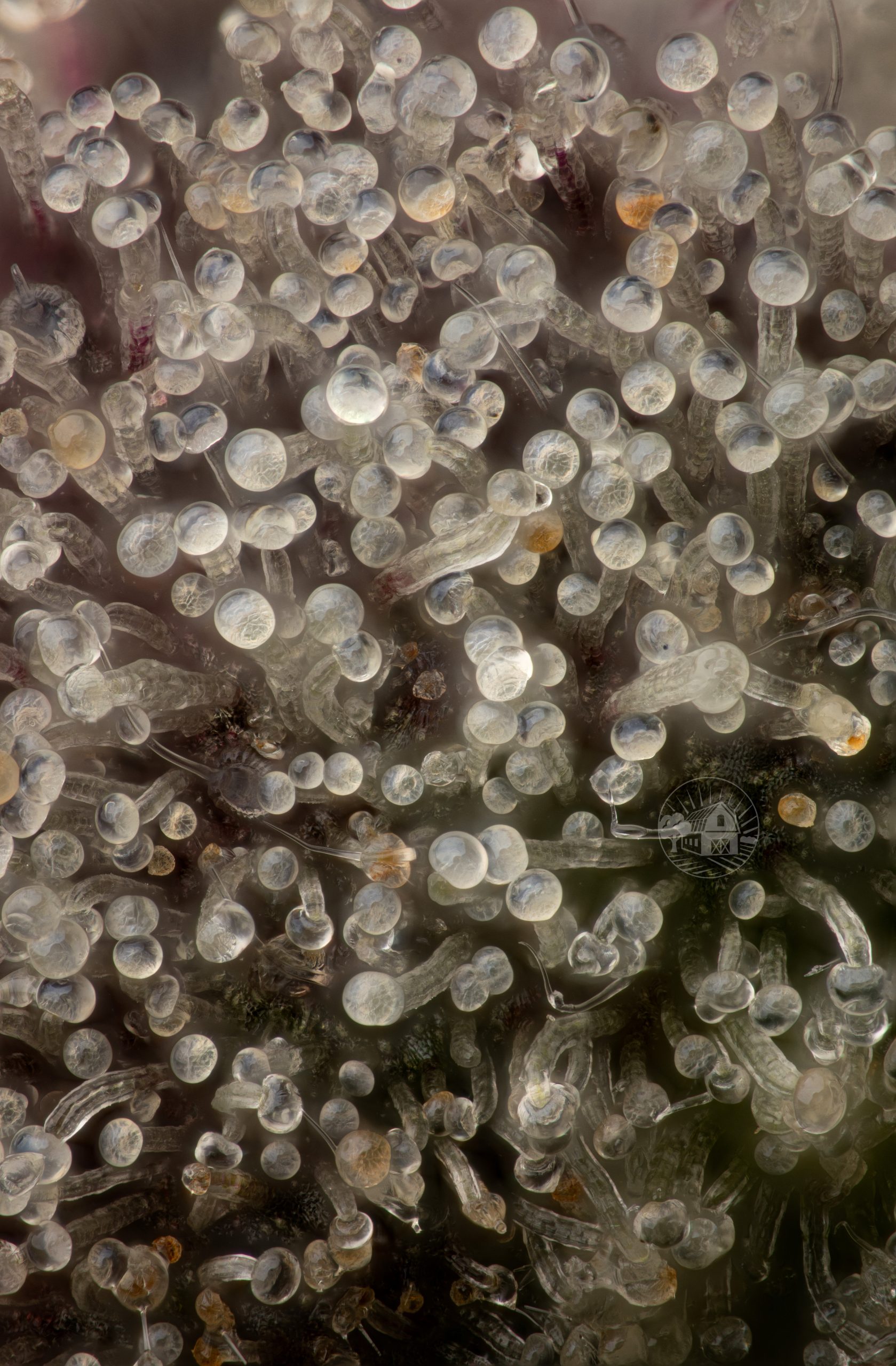
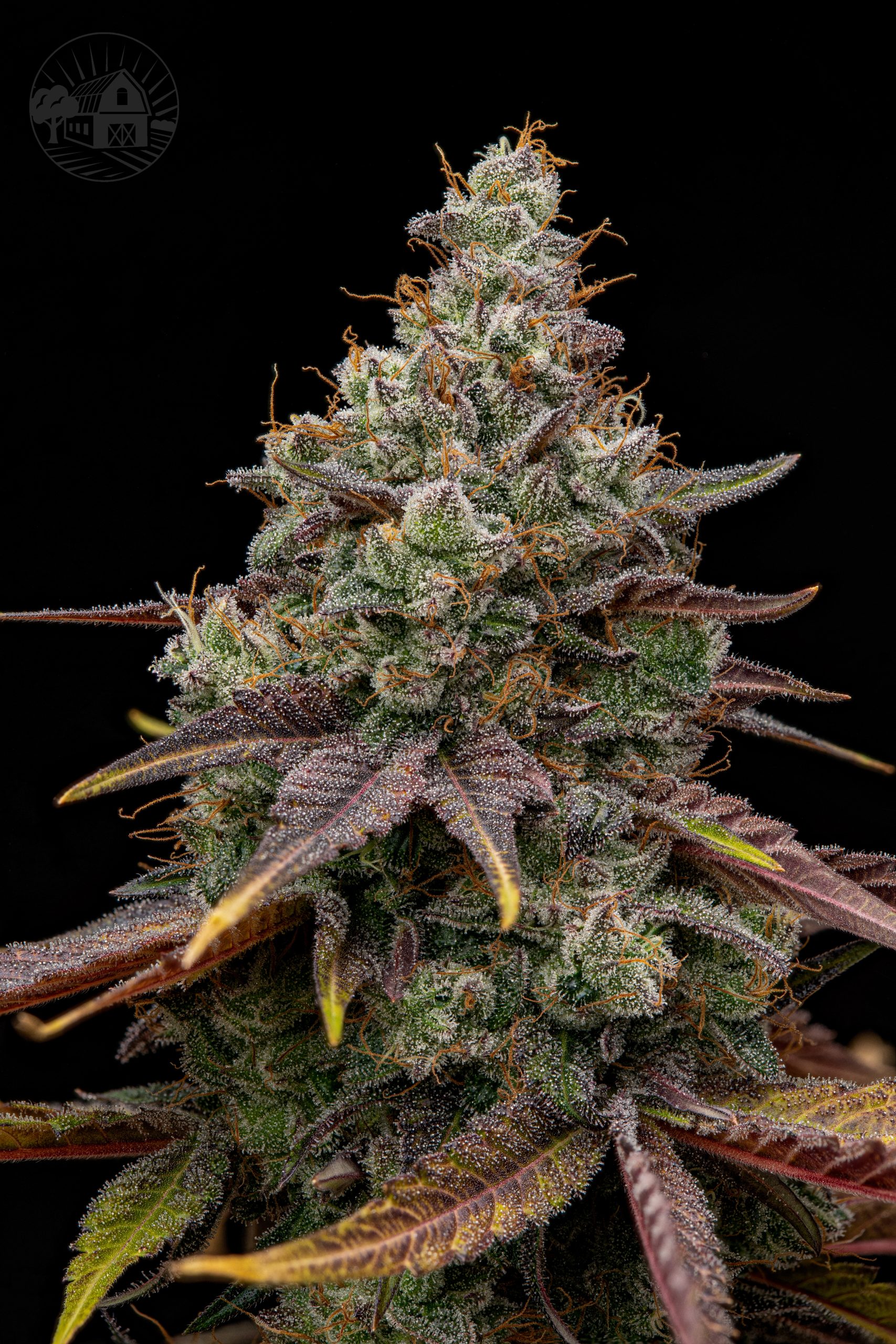
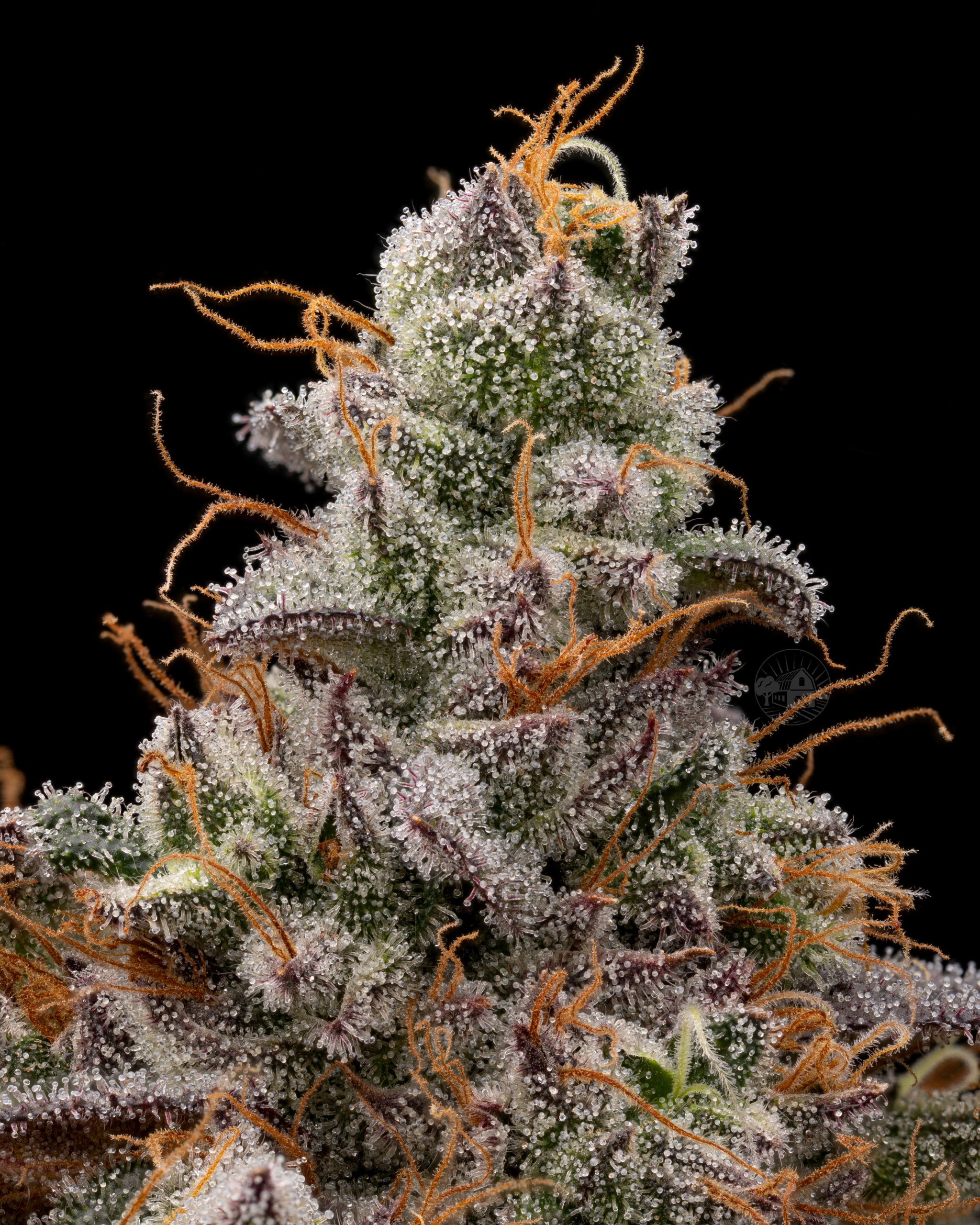
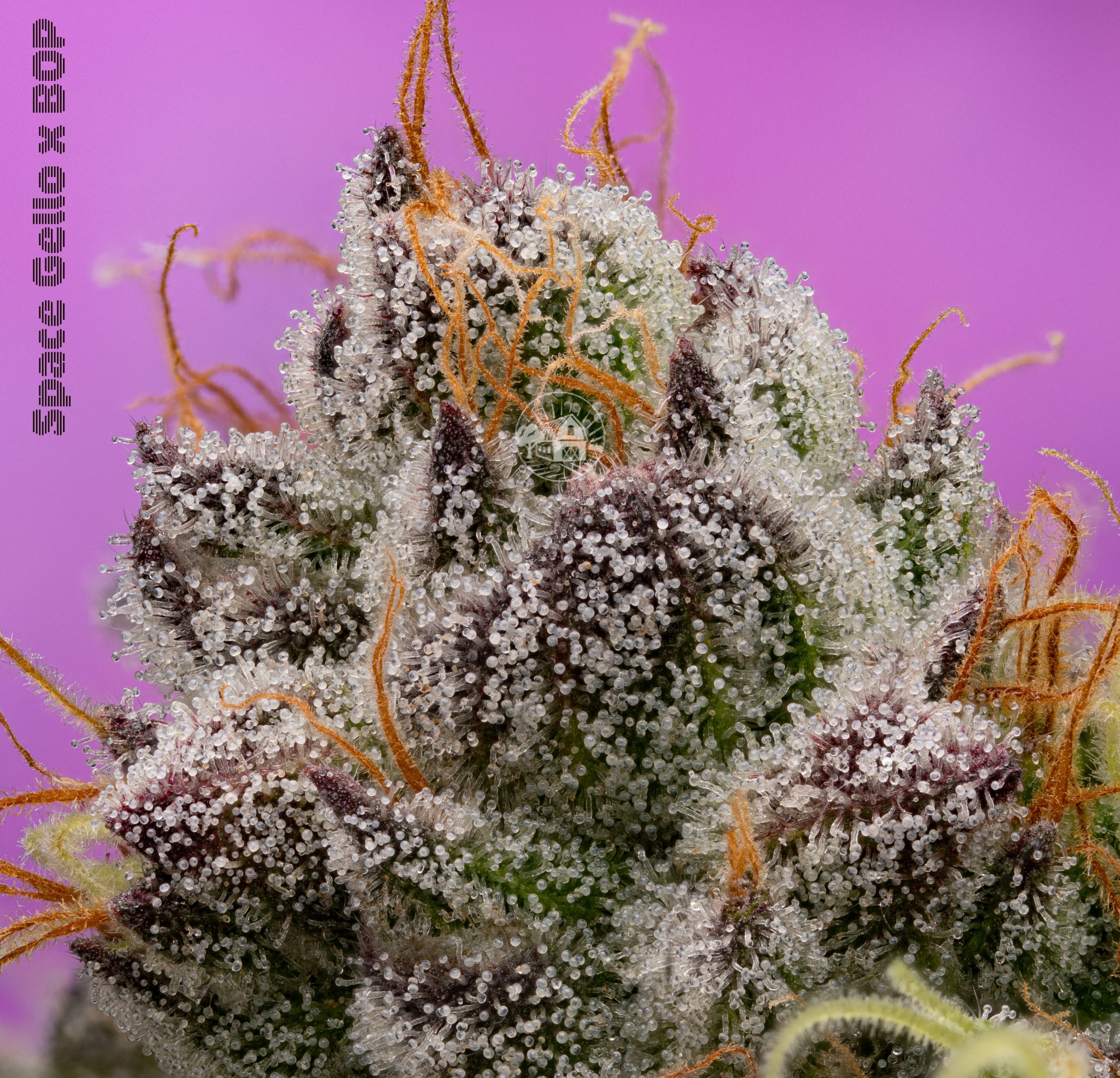
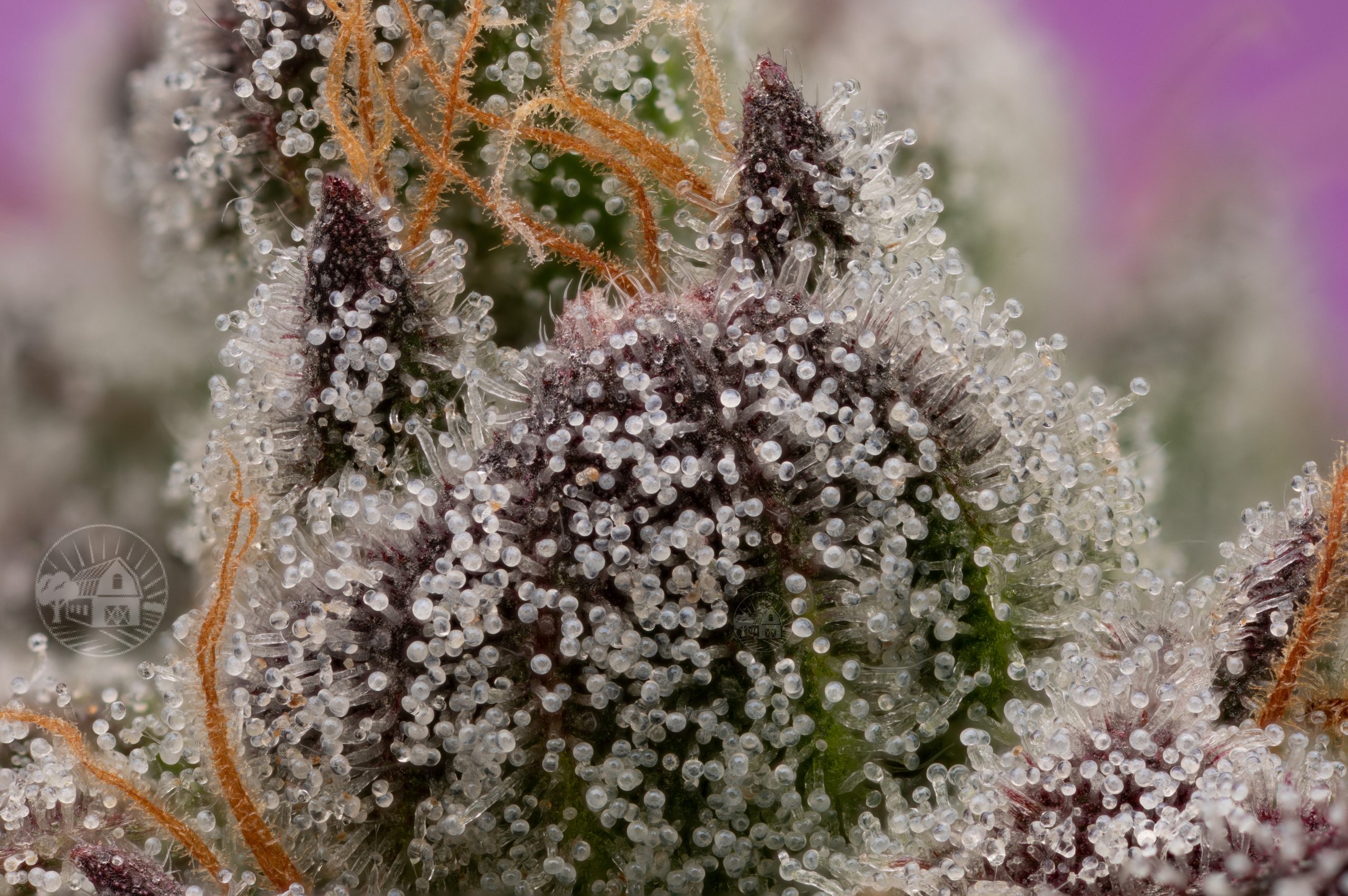
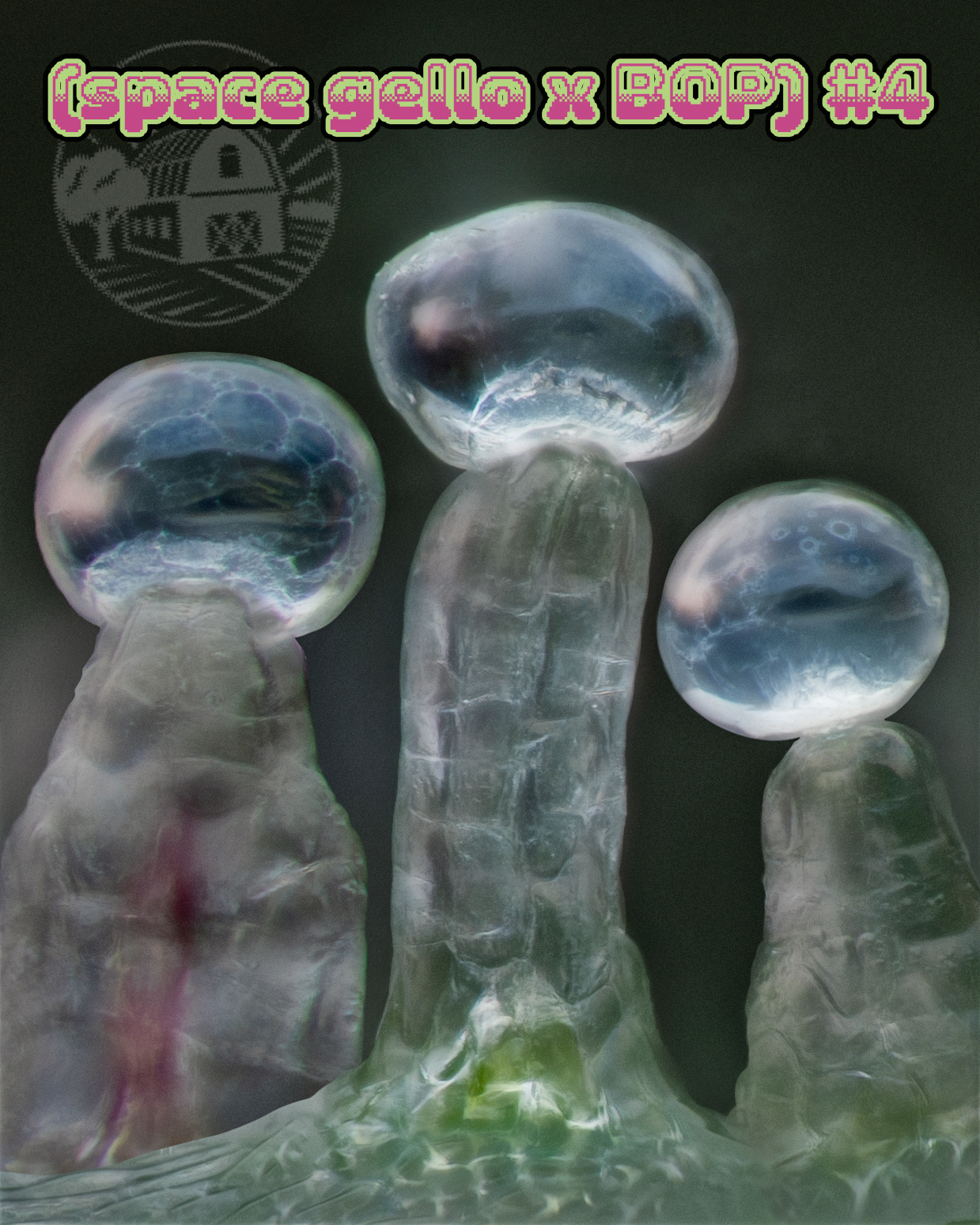
10x & 5x “Spock’s Brain’ (Space Gello x BOP)

5x shot of Spock’s Brain #4, one of the keepers we recently pollinated. We’re hoping to bring along the berry grape flavors from Space Gello. This pheno is fruit forward with the artificial candy grape flavors. Look for the possible release of (Spock’s Brain x _______? ) collectible prints, this coming spring.

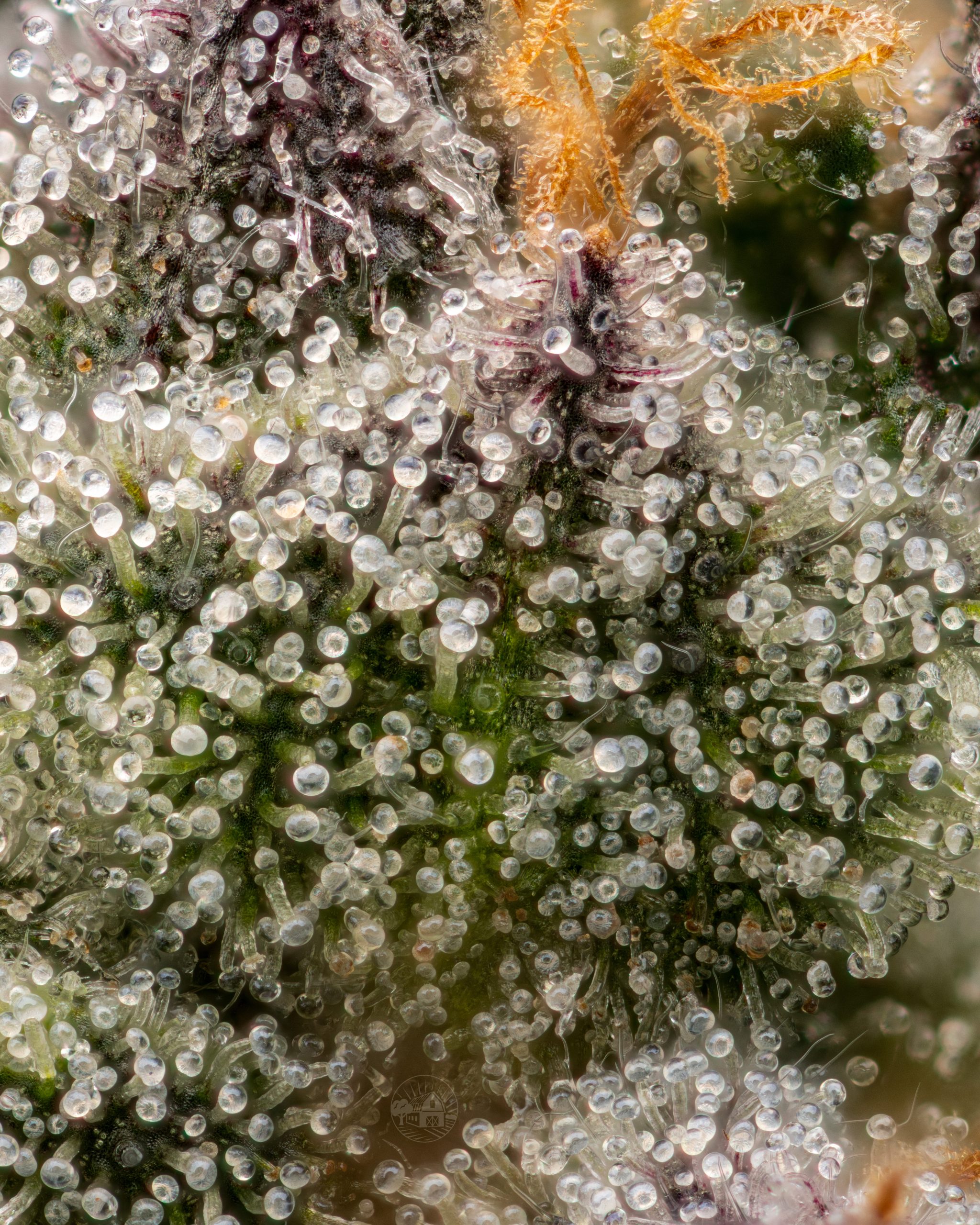
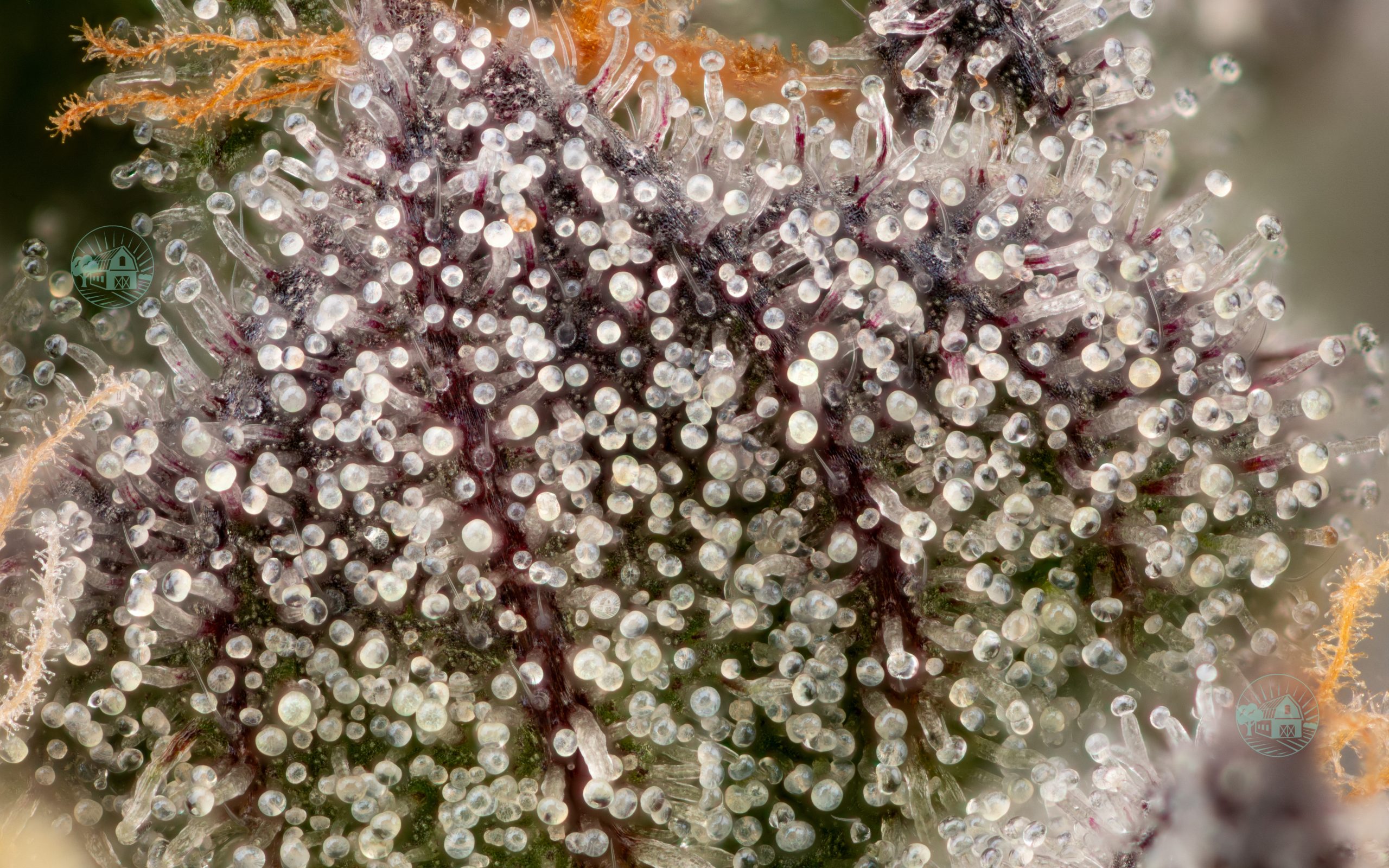
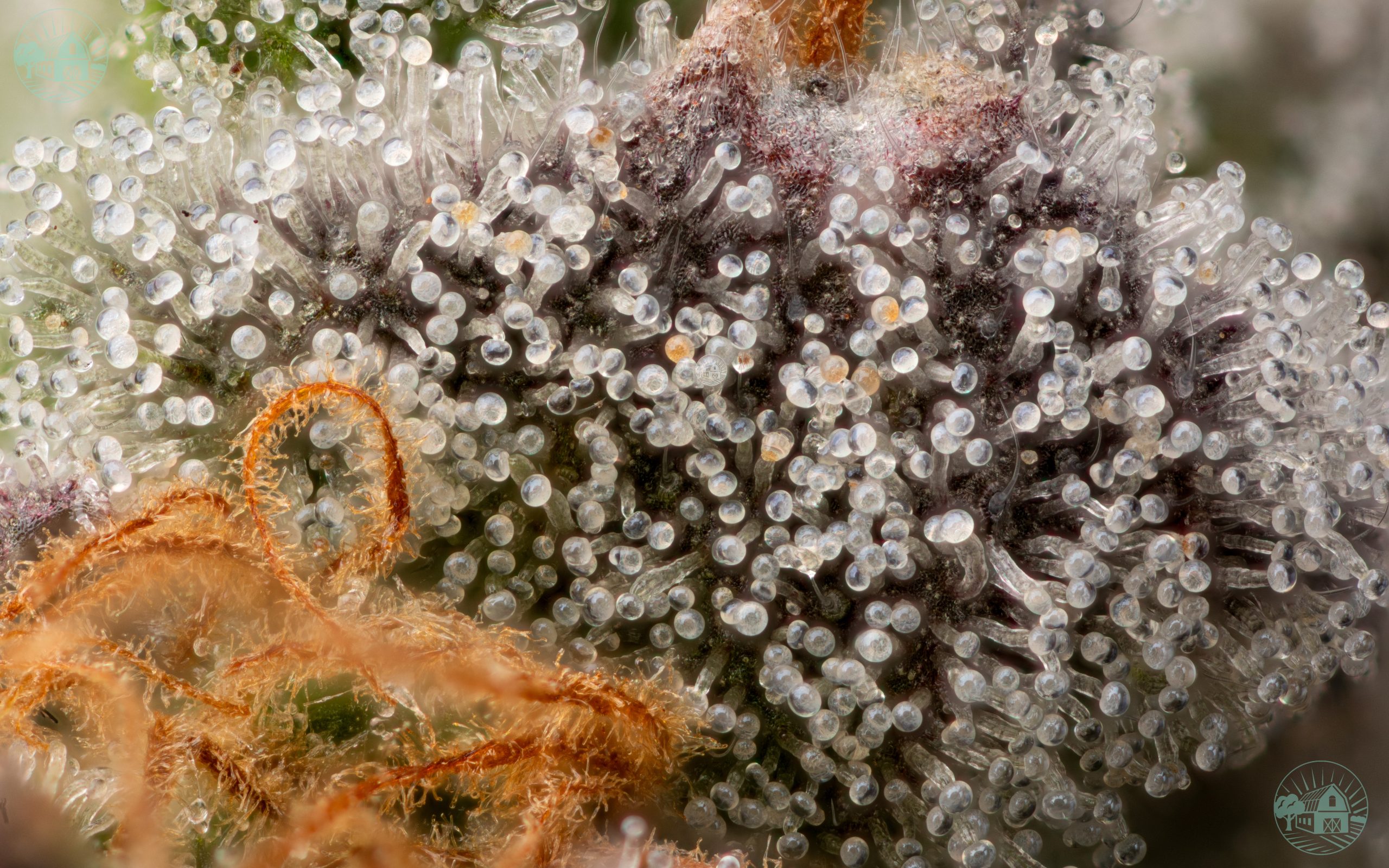
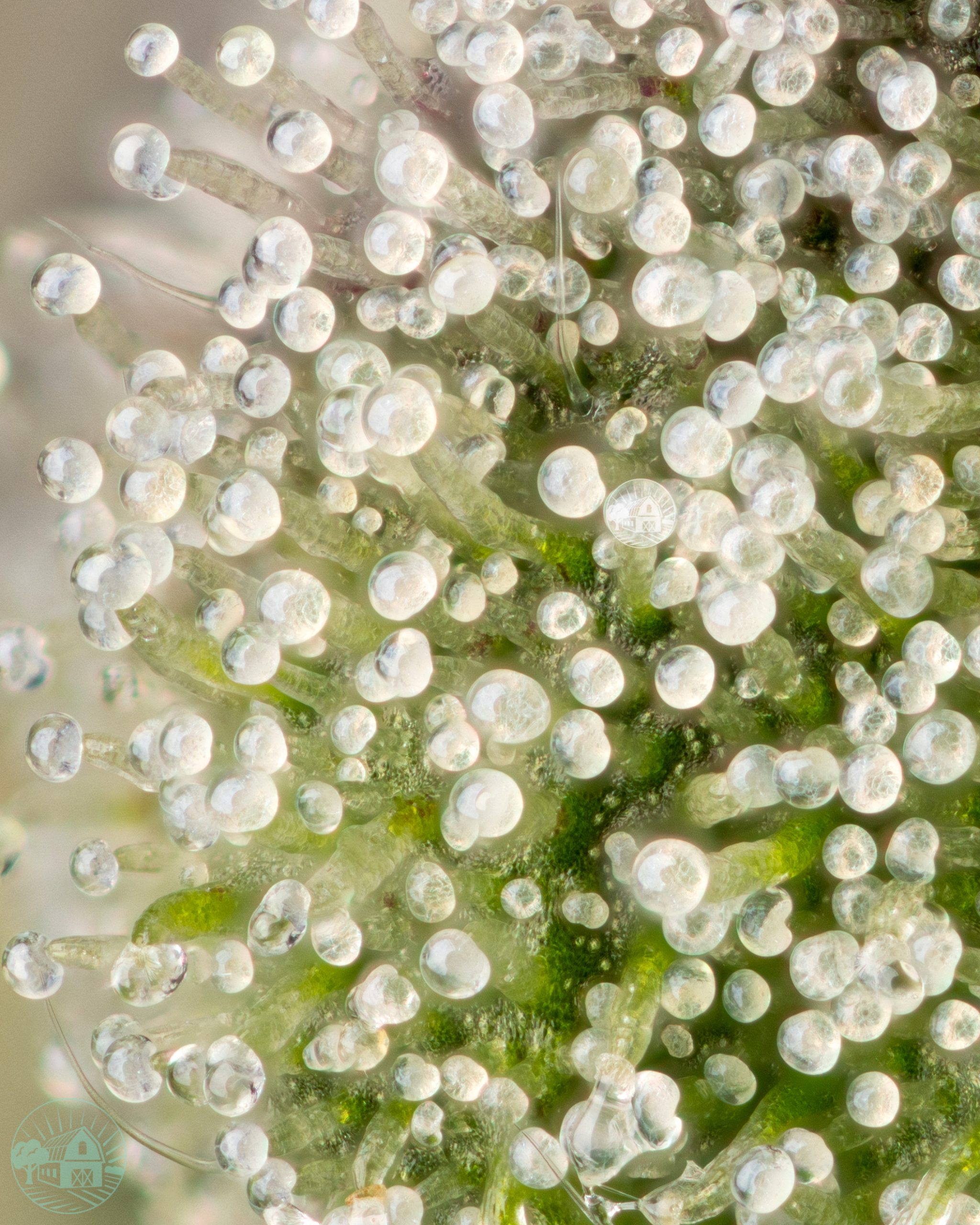
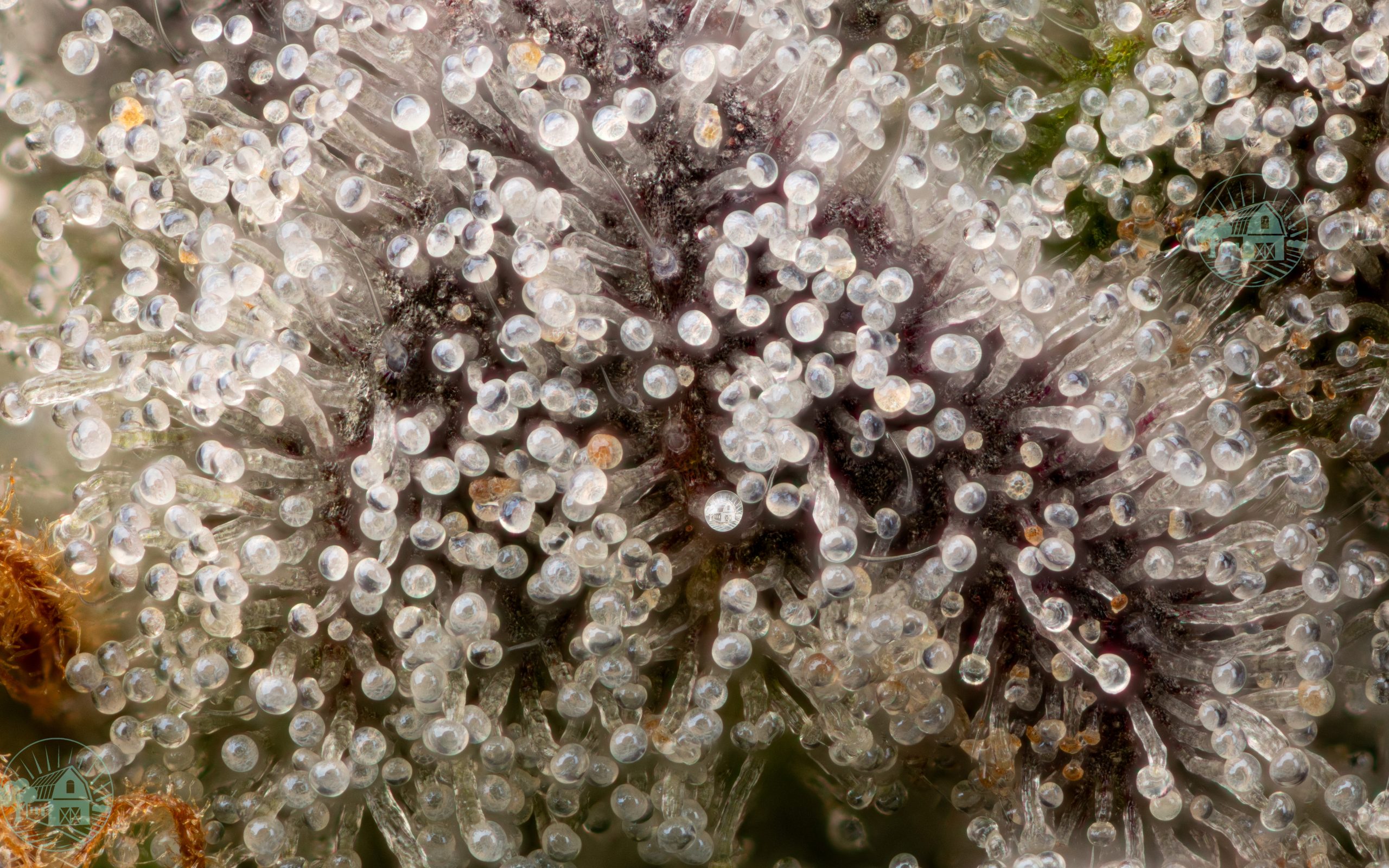
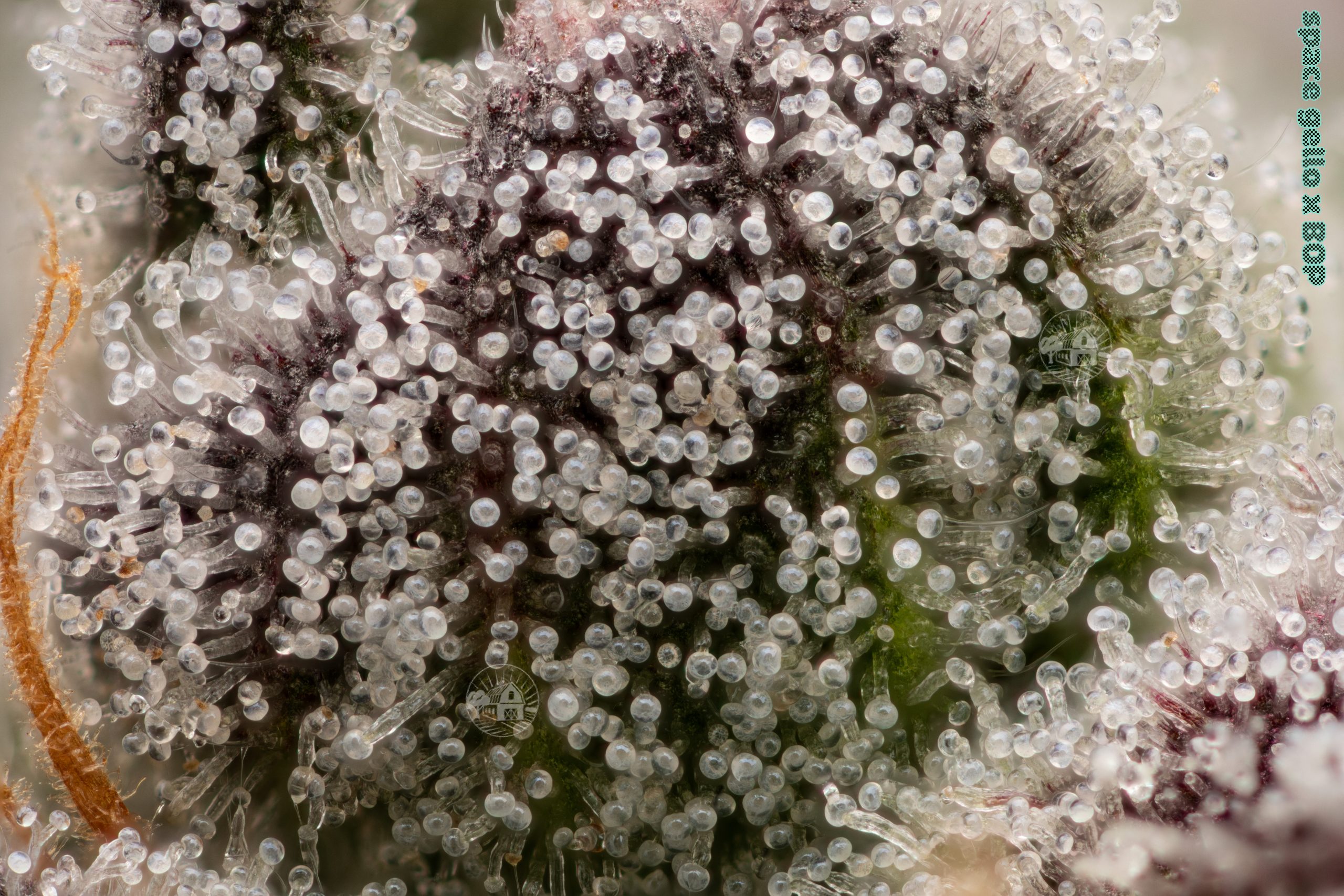
10x shot of the same top bract. If you spend some time looking around you can find several odd glands and a few multi-glands. You might start to realize that sometimes they look really odd as a multi-glands & can understand how this might get overlooked as simply jumbled or broken glands.. when they actually grew that way. Multi-glands are baked into our genetics at this point. Anything past Diamond Glands lineage will hold the ability to produce multis. (hints on where to find multis: 10x dead center. bottom left football shape on top of gland. 5x top bract by the logo watermark)

Posted on 2 Comments

‘Spock’s Brain’

(Space Gello x BOP) Think that name might stick, thanks to @Phriend‘s comment on the original post. Yet we’re NOT gonna release this one without refining it more. I’d like to take this time to point out how selective we are: We like to hold back a lot of the repetitive or basic flavors. That means if we create a new strain that is too similar to flavors we’ve already released, or the flavors are not very unique in the grand scheme of things, we don’t drop. It might still be considered “dank” & a “dumper” but if it’s not new and exciting to run we’ll forgo the experience for you.

Grown with dirt and microbe teas only, indoors with a sealed room. This pheno was one of the BOP leaners. Grape and berry flavors could be found on some phenos but it wasn’t enough to guarantee you get there with one pack. (100mm shot above)

1x shot of the same cola as 10mm.

5x Macro. Same tip.

‘Spock’s Brain’ is a rare Phish song. Have a good day!

Posted on 1 Comment

5x (Space Gello x BOP)

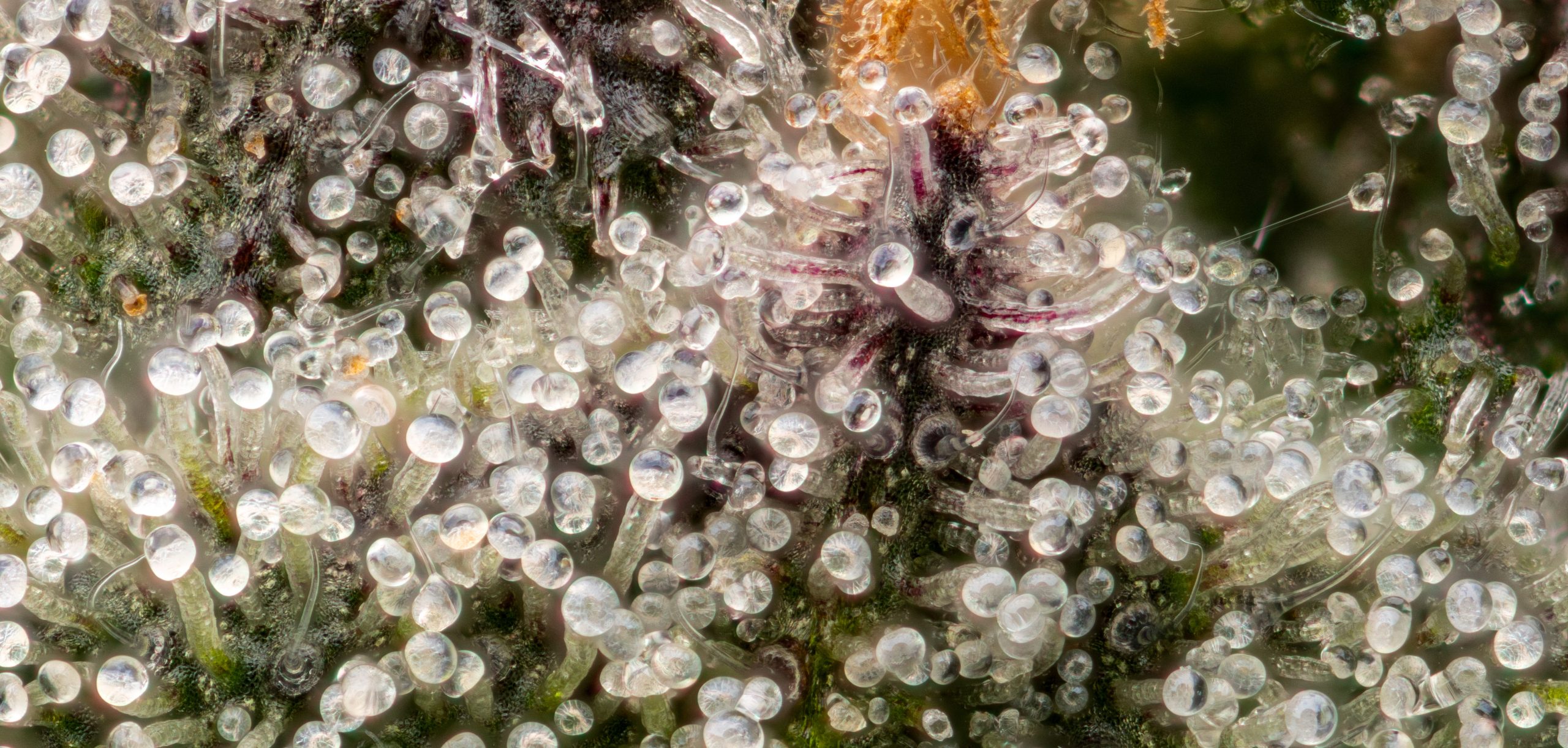
Macro Dump! 5x only today. (Mpe 65mm, Canon 5d Mark iv) Looking at gland size and variation here, along with density. Each pic is a different Pheno. I’m hoping you’ll spend more time looking around with these larger format photos. Feel free to save them to use as wallpaper, or send to your uncle to blow his mind.

This one is looking like the keeper when flavor gets factored in. Sweet berry candy that comes off as new & unique.

The pheno above has some of the best overall coverage but the flavors were lacking in the fruit department. Mostly OG haze coming through.

This green pheno is boasting XXL glands with a wide size variation. Some glands are around 100 Microns, while others are close to 160µm. Muted BOP flavors with more kush.

Kinda wild with stalks on the longer side, yet this one has some artificial blueberry coming through. Liking the gland size and overall health of this pheno too.

Posted on 1 Comment

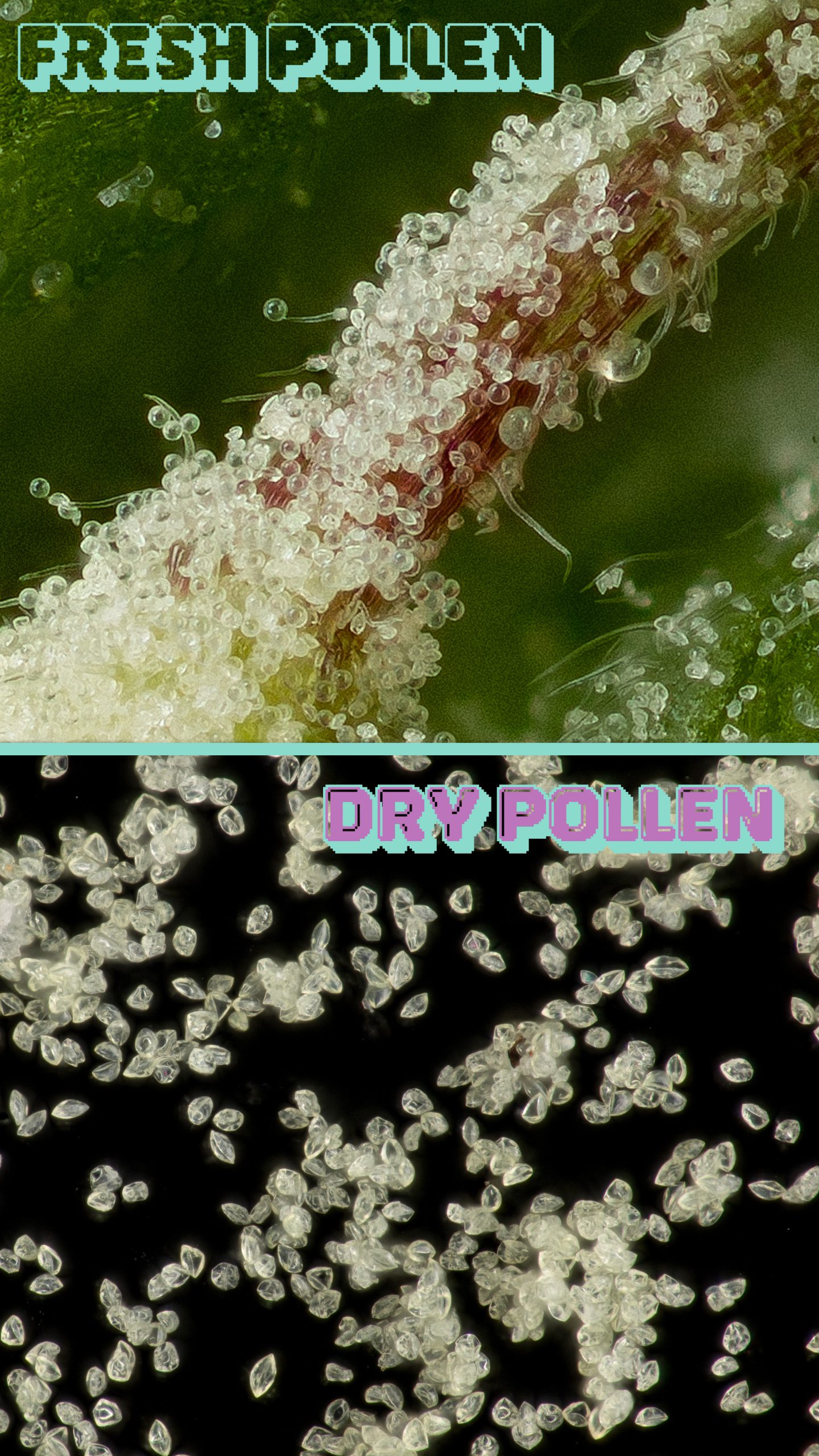
Fresh Pollen vs. Dry Pollen

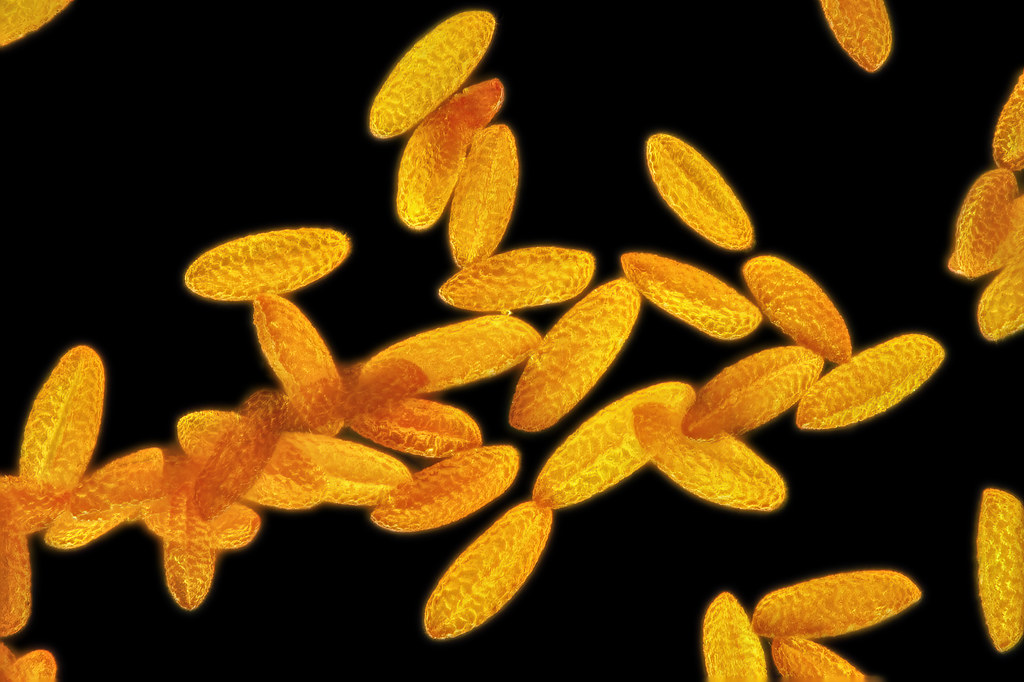
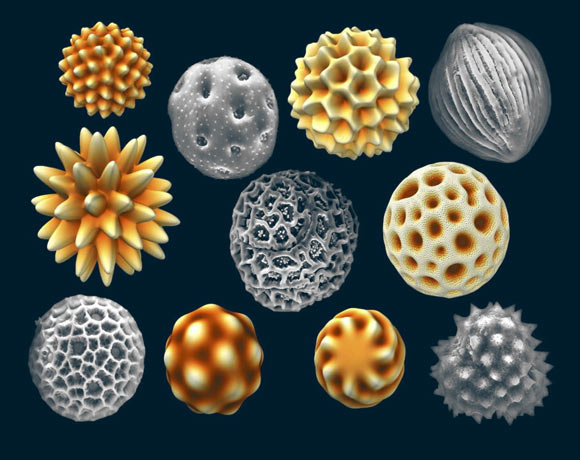
Have been wanting to show this comparison for a few years now. Canna pollen is spherical when fresh, & angular or deflated when dry. The aerodynamic smoothness is a genetically inherited trait that facilitates wind dispersal. While insect-pollinated plants have ornate, spiky, or sticky pollen that is meant to cling to pollinators . If you’re wondering: “Do different species of plants have different shaped pollen?” Yeah they do. Similar to seeds and mushroom spores, pollen is shaped uniquely to different kinds of plants. Scientist can determine the species of a plant by the size and shape of its pollen. Check out the image of Lily pollen below, with a collage of grain types below that.

Lily Pollen

Different textures and shapes on various pollen grain types.

Posted on 17 Comments

(Space Gello x BOP)

Posted on 19 Comments

new STRAINS & new THINGS :)

We’re started a “blog” or whatever.. Taking the power back if you will. This 20x macro is (Space Gello x BOP) which is currently in testing mode for possible release, AND in breeding mode for possible release. More to come.. Still need a good name for this one.. if you click the photo you can drop a name in the comments. Grape candy flavor that can mix with BOP or stand out. (Free pack if we pick your suggested name)

We plan on restoring most of the informational posts from instagram here, check back if you’re missing anything.

Posted on Leave a comment

slurp more melt (3.26.25)

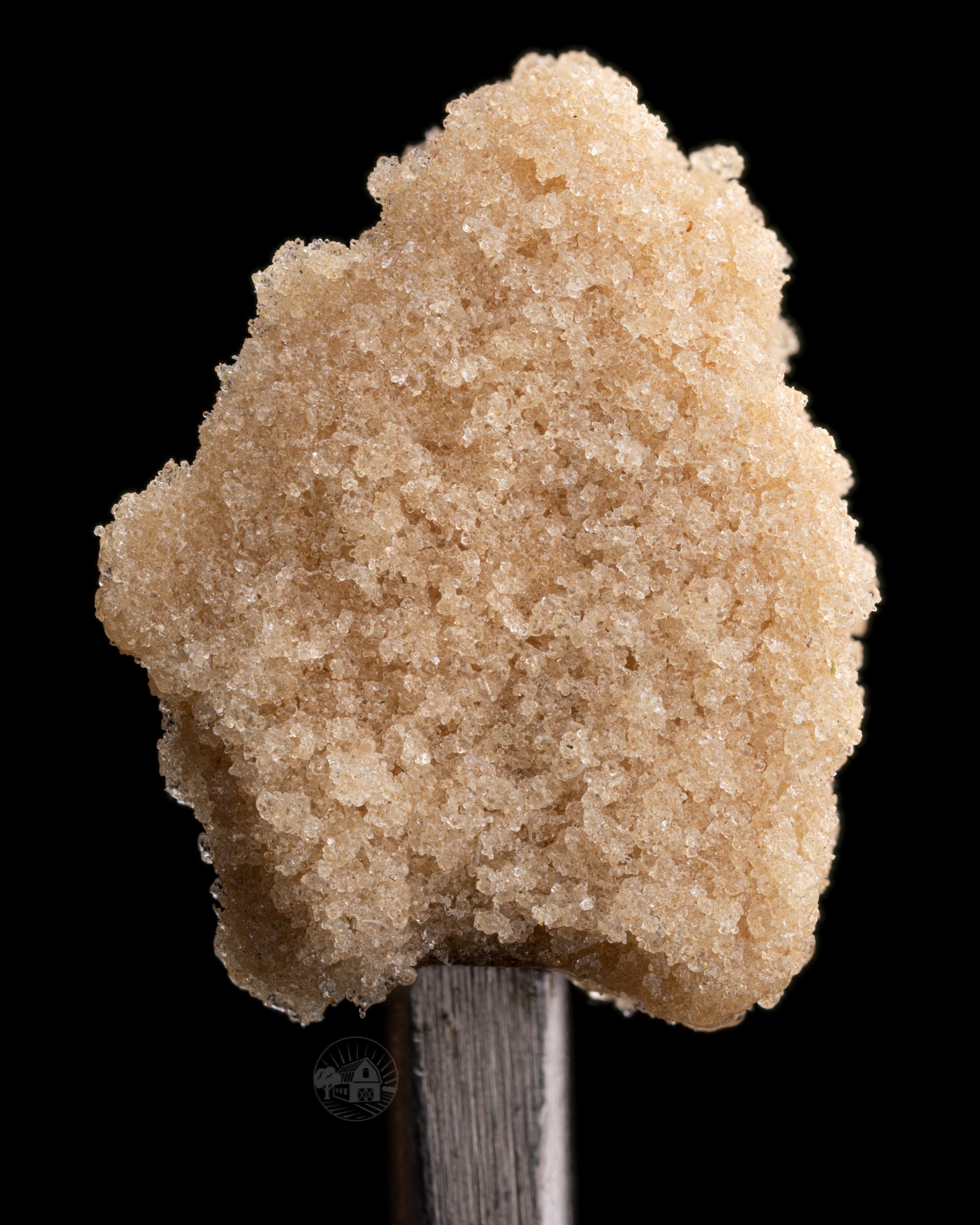
“MARANG’ 90-160µm, ice & water only.

Freezer Fresh > Room Temp > Whipped and Jar Cured.

Kinda crazy how many flavors come out of this one.

(8/21 added info): Different flavors can arise depending on the banger temp.. lower temps giveing stone-fruits like peach & cherry, higher bringing out that BOP profile. Eating or drinking fruits right before enjoying always highlights a different fruit that was hiding before. The gassy backend is almost always present. Greasy and very effective.