Posted on Leave a comment

Multi_Gland_Deep_Dive (2.15.24)

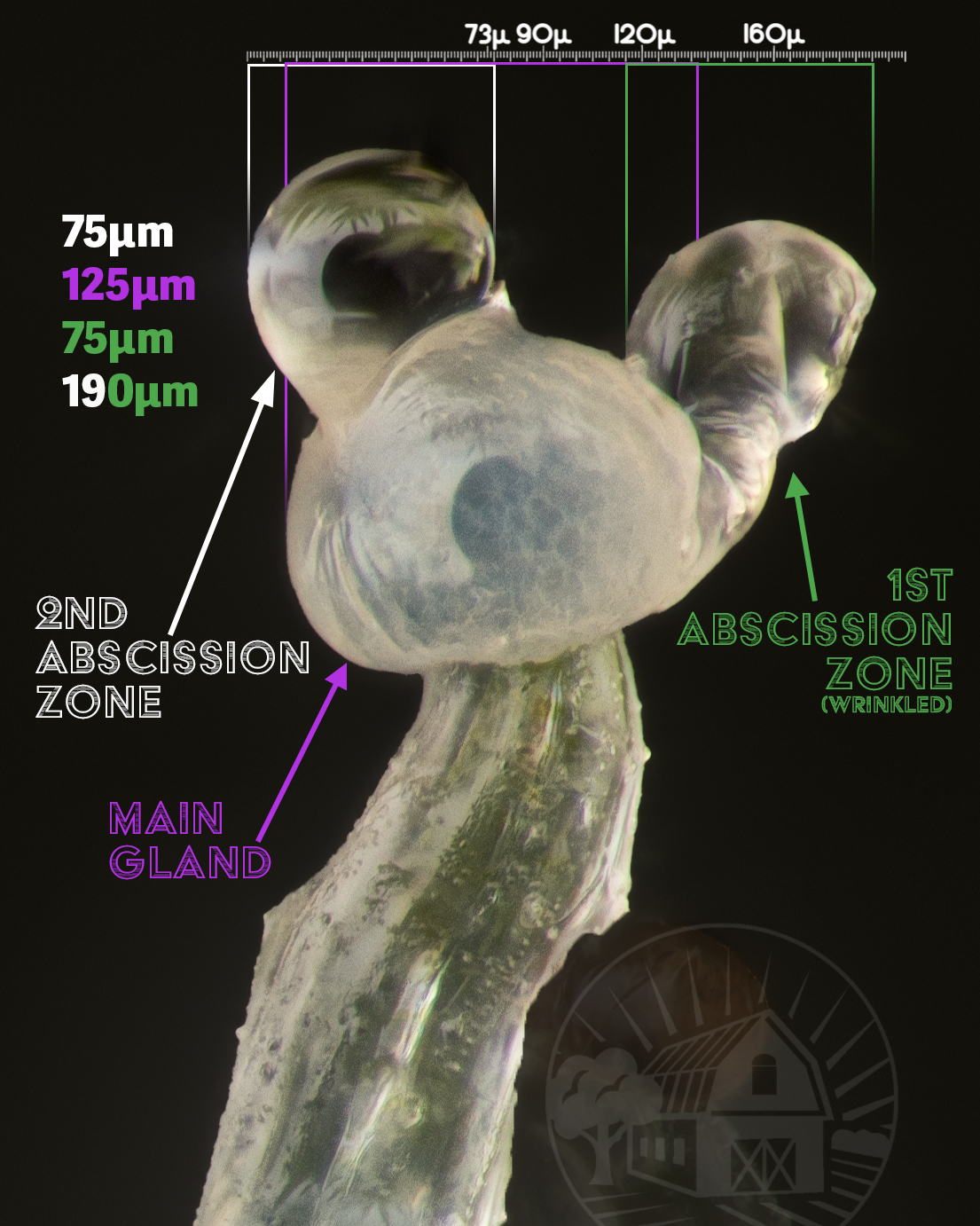
Multi-gland trichomes happen across many plants and are the result of natural breeding in the wild. Arnica is a flower that only grows in the mountains & has developed multi-gland trichomes. It is simply a natural evolution of glandular trichomes. In our case by selective breeding. To think the secretory cells would just stop producing the cuticle while continuing to produce cannabinoids and aromas (enough to self rupture) is just a plain mis-understanding of how glands work. Across many genetics even?! Really?! There is zero scientific information about glands bursting from their own oil production. Yet there is a boat load of scientific info about multi-gland trichomes and how they develop from single gland trichomes. That is why our multi-gland theory is much stronger than a weak “rupture hypothesis” that only tries to explain parts of our examples. Our theory fits within existing research & comes with many examples. So, if the plant has the genetic code it can produce inner cell walls and slowly push out a new 2nd or 3rd gland. They can also slowly form on top of, or beside, the main gland. Yes its a mutation, but is also considered an adaptation since the plant can better protect itself with more glands. Knowing that and breeding the trait to be more common is how “WE’RE CHANGING THE WAY GLANDS GROW!!”
Posted on Leave a comment

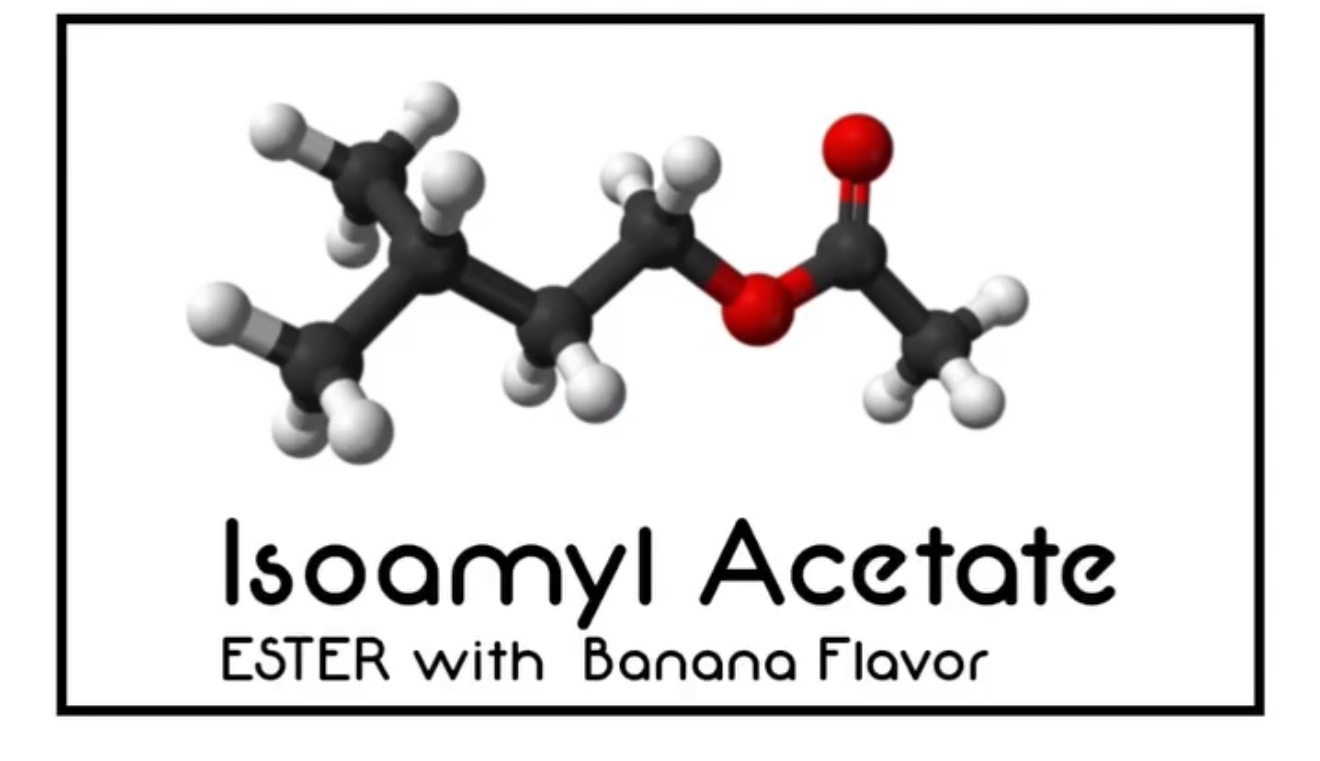
Ester Highlight: Isoamyl Acetate (video)

Isoamyl Acetate is an Ester known to have a banana flavor. Indole is a heteroaromatic ring bond that is responsible for the savory garlic flavor in GMO and can become chemy with mothball flavors. (Most of this information is sourced from the two scientific articles cited in the video.)

(8/28 update: So Banana Shack, & BOP will have a lot of Isoamyl Acetate. Indole will be present in Sugar Coat, Sugar Shack, & JOMO; along with offspring from those crosses. Actually the progression of flavor from Coat, to Shack, to JOMO, is in-line with the flavor of larger & larger amounts of Indole. At first it can be sweet and floral, then mothballs show up with more, at high levels offensive chemical/DMT flavors can take over.)

More about Indole from Abstrax :

Cannabis Flavorant: Indole (1H-indole)

Indole is milder than Skatole and has a sharp chemical and ammoniacal fragrance. When diluted, it can even have a slight floral aroma.

It’s also worth noting that Indole was present in nearly every sample, while Skatole was only found in certain varieties. The funkiness it lends to varieties combined with its presence throughout our samples suggests that it plays a pivotal role in the quintessential aroma of cannabis. Plus, Indole may play an important role outside of cannabis. 

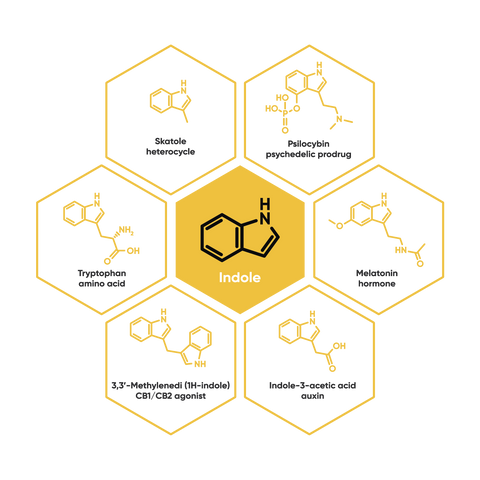
Figure 2. Schematic illustrating the relationship between Indole and many natural compounds found in nature.

The Indole structure is the core structure of many biologically important compounds within plants, humans, and animals. It’s also the key component of tryptophan and melatonin and the main functional group of psychedelic tryptamines such as psilocybin, dimethyltryptamine (DMT), and lysergic acid diethylamide (LSD). Obviously, there’s a lot going on with Indole, and we’ve only just scratched the surface.